Hey, do you have a kid or several and are trying to raise them Catholic and sort of had no idea, when you were growing up, that there were liturgical seasons, let alone an entire liturgical calendar cranking along in tandem with the secular year?
Yeah, me neither. I mean Advent and Lent, sure, but between public school and a decidedly lackluster parish, I credit my parents immensely that we ended up Catholic at all. Never mind that I didn’t know the Memorare till I was 23. They nailed the basics.
Lucky for you, for the past 7 delightful years, thanks to a combination of maternal hormones and the internet, I’ve been working to enthusiastically integrate feast days, baptismal day celebrations, and an holistic (I hope) recognition of the liturgical year in my own family. And I’ve got you covered for ideas.
Here’s why you should listen to me over some domestic goddess with finer attention to detail and legitimate retail-level crafting skills: because I am going to tell you how to do it in the absolute laziest, most basic way possible. On the off chance that there are other women out there who, like me, would actually prefer to do laundry or write up budget reports than craft elaborate saint-themed art projects, I figured it might be worth a write up.
(I happen to think those aforementioned domestic goddesses are pretty extraordinary, and I love catching a glimpse of their domestic liturgies through instagram or Facebook. But don’t ever show my kids what’s going on in their backyards, lest I have to devise something more profound than “here’s a marshmallow in your lunchbox: happy baptismal day, son!”)
Let’s make a little list, shall we? It seems to me we have a few categories at hand: major feasts and seasons of the liturgical year, family/personal devotions to particular saints, and baptismal days.
We’ll start with the major feasts/seasons, since Advent is very nearly upon us.
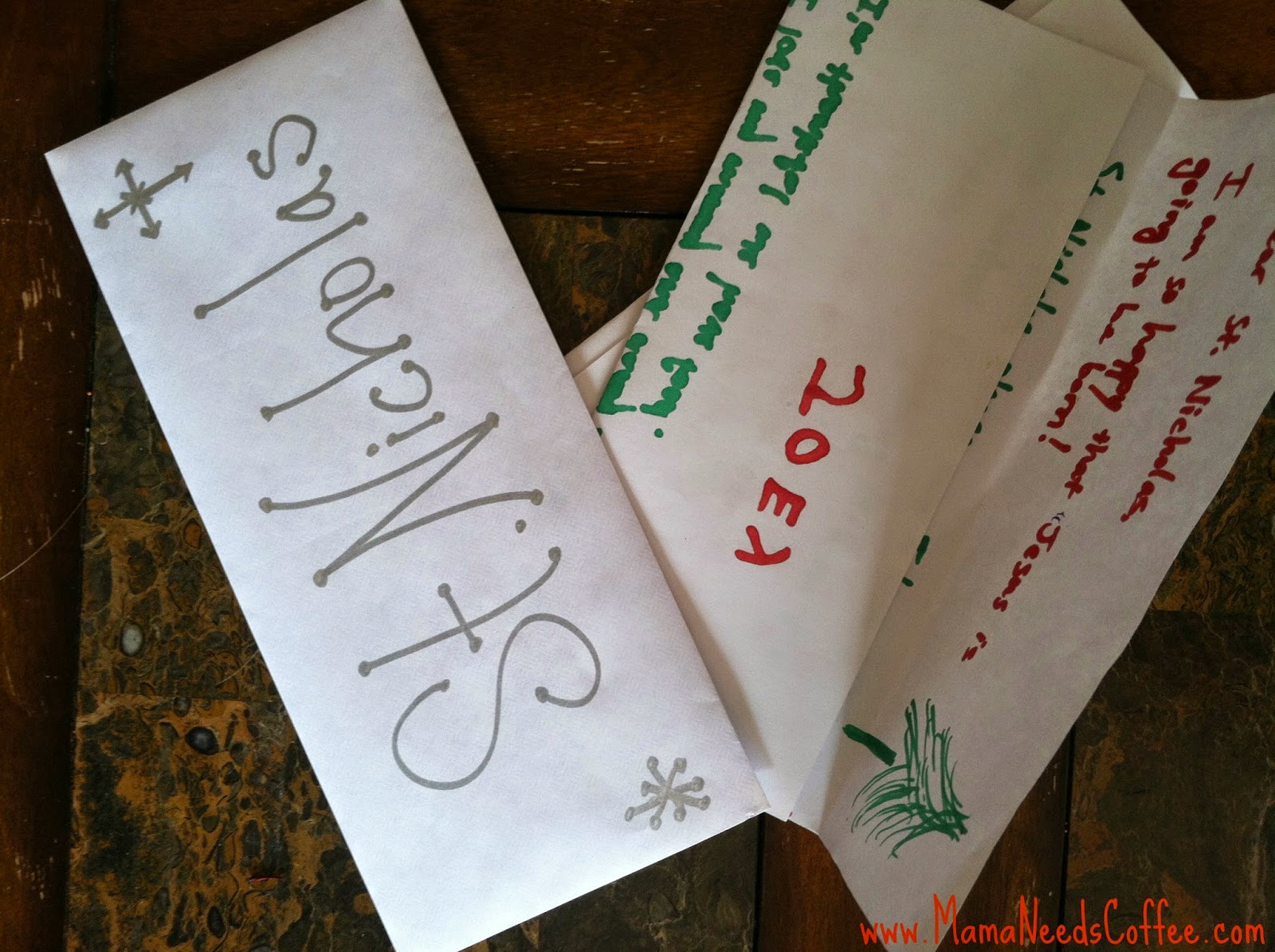
I’ve written a bit about how we’ve celebrated Advent in our family, and you’re welcome to check out some of these older posts for ideas. Since adding more kids and chaos to the mix (sweet chaos, but, nonetheless…) we’ve simplified further. First, an awareness that it *is* a different season for the Church. We point out the swapping of missals at Mass towards the end of November, telling our crew we’re entering into a season of preparation for baby Jesus as an entire Church. We point out the changing music, and we try to listen to a little bit of it at home. I try to keep the Christmas music to a minimum before the blessed event, but we’re not militant about that. If it’s a Sunday in Advent or a big feast day in our family (Juan Diego, St. Nicholas) we’ll crank dat Bing, never mind that we’re still weeks out from Christmas. But I try to steer clear of the 24-hour stations in the car, and impress upon the small people that while it’s exciting to prepare for Jesus, He’s not here yet, and so we’re going to make a tiny little sacrifice and not listen to Christmas music for a couple more weeks. (Full disclosure: this year, being uber pregnant and needing the serotonin boost, I may be much more lenient with this practice. And I may have listened to the James Taylor holiday station on Pandora for an hour yesterday.)
Some other Advent ideas include a little box of straw and a small wooden manger for the kids to fill with their good deeds and sacrifices. The better behaved the kid, the softer Baby Jesus’ bed. (And the more generous Santa will be). They totally get it.
 Lent is a little tricker since they’re younger, but we take similar care to point out the changes happening at Mass, everything from the colors of the vestments to the changing liturgical decor of the building. We emphasize not saying “Alleluia” and they enjoy cackling gleefully when they catch each other slipping up. We also reserve desserts or special treats to big feast days only (St. Joseph, St. Patrick) and do our best to have a family penance of some sort. Last year it was no DVDs in the car and guess who that ended up being the most penitential for? Yeah…
The takeaway? It doesn’t have to be elaborate, artistic, or even particularly exciting. Just bringing a child’s awareness to bear on the rhythm of the Church’s year has a profound impact on them and helps universalize the experience of Catholicism for them. Isn’t it cool, I’ll ask, that kids in Africa are also lighting the 3rd Advent candle this Sunday? Isn’t it crazy to think that Easter is already going on in Australia right now, while it’s still Holy Saturday here?
Next up we have our favorite saint days. (A saint day = generally the day he or she died, but not in every case.) This is my favorite way to celebrate, and I love that the Church gets how often we human beings need to party. Lent is crammed full of feast days (and so is Advent, for that matter) which naturally break up the otherwise solemn nature of the seasons. And? It’s been a really handy tool to deploy in order to determine whether or not dessert is an option that day. My big boys have become trained to ask “is it a feast day?” with hopeful, gleaming eyes about 30 seconds into dinner, and if it is, and if it’s a saint one or all of us are devoted to or someone is named after, you can bet there’ll be sugar for the second course.
I am not much of a baker, so most of the time we’re talking a box of gf pumpkin bread from Trader Joe’s, a handful of tootsie rolls from the back of the pantry or, yes, a big marshmallow. Popsicles if it’s summer. A trip to 7-11 for Slurpees if it’s a major cause for celebration. (7 year old boys are deeply cultured.) I love this tradition we’ve settled into because a. it self regulates our sugar intake and b. it (hopefully) indelibly links the feast days of the Church to celebration and sweetness in the minds of my children.
Don’t have a favorite/patron saint? Why not peruse the CNA saint archives and see if anyone jumps out at you. Look up the saints for the days of each family member’s birthday, for your wedding anniversary, the day you finished your medical degree, the date of your engagement, etc. You might be pleasantly shocked by what – and who – you find. If your kids are named after saints, that’s an easy one. Find the corresponding day to their name and make it a point to learn a little about the heavenly friend they share a name with. Don’t have a saintly name? Maybe there’s a variant or previously unexplored wordplay connection, like choosing a Marian feast day for a little girl named Grace (full of grace) or commemorating St. Isidore the farmer for a little boy named Hayden (too much of a stretch?).

Finally, we have baptismal days. I’ve tried to get better about, ah, actually knowing which days each of us were baptized (any idea when mine is, mom?) and making it a point to mark that momentous occasion of our entrance into the communion of saints.
I don’t dig out their baptismal candle and light it or even show them pictures of the day, though both are good ideas! I literally just identify the lucky target and we give a round of high fives or applause for the day he or she became a Christian, and I stuff a marshmallow into their lunchbox (are you sensing a high-brow culinary theme here? Good.)
Sometimes we also take a minute or two for a brief catechesis on what baptism is (entrance into the divine life of Christ), what it requires of us (fidelity to our baptismal promises), and what it entitles us to (membership in the family of God.) I’ll remind them that just as they were born into our family and did nothing to earn that belonging, so also they were born into the family of God through no merit of their own, and that it’s up to them to decide whether they want to stay there. Boom, free will in a nutshell.
The biggest reason I try to emphasize these little domestic celebrations and the larger liturgical events of the Christian year?
It’s because I know that I am competing for the hearts and minds of my children, and that the very best bet I can hedge is to attempt to inebriate them with joy. The world is a flashy, exciting, delightful place, and if I want my kids to be as excited about St. Therese as they are about the new Star Wars movie being released, I have to bring my A-game. And that needn’t mean elaborate crafts or themed meals (though it sure could!); but an intentional awareness and joyful celebration of the liturgical feasts (and fasts) of the Church year.
Will it guarantee little grown-up Catholics 30 years from now? Nope. But it sure can’t hurt. And I like to think that for little hearts and minds that do stray, free will being what it is, a sweet memory from childhood of a candlelit dinner table and mom’s lackluster dessert could go far in reigniting a weakly-flickering flame in a soul that might be struggling.
It’s not just smells and bells for the sake of keeping our bodies and minds occupied, after all, but about communicating a deeper reality to our souls that sometimes finds greater efficacy in going directly through the senses.
Plus, it’s fun to party. And Catholics really should be anxious to defend the title of throwing the very best parties, culminating, of course, in eternity.